
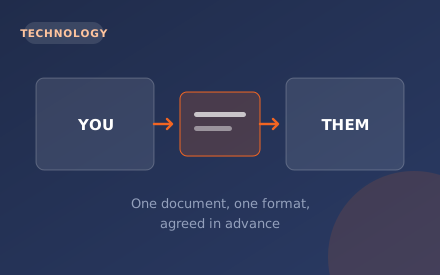
DEX, UCS, and EDI get thrown around as if they're interchangeable. They're not — and knowing which one an account needs saves you painful surprises at the door.
The 30-second version
- DEX (Direct Exchange): device-to-device invoice and receiving data handoff at the store.
- UCS: the message standard that rides underneath DEX.
- EDI: broader electronic document exchange (orders, invoices, ASNs) between back-office systems, common with big chains.
Which one you actually need
Independent and mid-size accounts often just need clean digital invoices and a signature. Larger chains may mandate DEX at receiving or EDI for ordering and invoicing. The mistake is assuming one covers all your accounts.
Build for both
Pick tools that can produce a clean door-step invoice for small accounts and speak DEX or EDI where a chain requires it. Retrofitting later is the expensive path.
Key takeaways
- DEX is the door handoff; EDI is broader back-office exchange; UCS is the standard beneath DEX.
- Requirements vary by account — don't assume one fits all.
- Choose software that handles both simple invoicing and DEX/EDI where required.
See also: Open API, EDI and DEX · Convenience & tobacco distribution · Back office: posting to your ledger
See it on your routes.
This is easy to write about and better to watch. Request a 30-minute demo on your real accounts.
Request a demo